
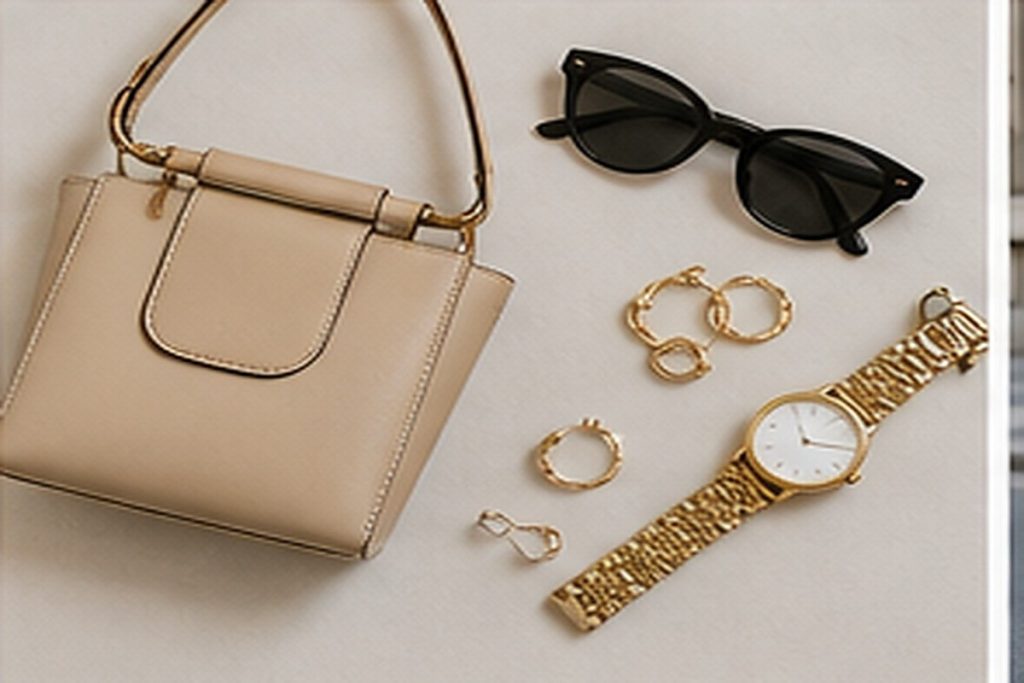
Learn how to build a small jewelry collection with versatile pieces that work across casual, work, and weekend looks.
A Beginner's Guide to Building a Minimal Jewelry Collection can be approached in a simple and practical way. Fashion works best when it helps daily life feel more organized, comfortable, and expressive. This guide explains the idea with clear steps, realistic examples, and easy styling principles that can be used by anyone building a more consistent personal look.
Why This Topic Matters
A Beginner's Guide to Building a Minimal Jewelry Collection is not about chasing every new trend or copying a complete look from someone else. It is about understanding how accessory choices work inside a real routine. A useful fashion decision should make getting dressed easier, not more stressful. When a piece can support several outfits, fit different plans, and still feel comfortable, it becomes more valuable than something that only looks good in one photo.
The first point to consider is how often the idea will actually be used. Many people buy fashion items because they look interesting in the moment, but the most reliable choices are usually the ones that match normal days. Think about work, errands, casual meetings, travel, weather, and the amount of time available to get ready. This practical view keeps style connected to life instead of turning it into a separate task.
Start With Real Daily Use
Comfort also matters because confidence is easier when the body is not fighting the outfit. A polished look can still feel relaxed if the proportions are right and the materials make sense. Pay attention to movement, weight, breathability, and how each piece feels after more than a few minutes. Style should not disappear as soon as the day becomes busy.
Balance is another important part of the process. If one part of the look is bold, the rest can stay calmer. If the outfit is very simple, one thoughtful detail can create focus. This is where bags, belts, jewelry, scarves, watches, sunglasses can help shape the final impression. The goal is not to add more items, but to make every visible choice feel connected.
Think About Fit, Balance, and Comfort
Color and texture can make a basic outfit feel more complete. Neutral tones are easy to repeat, while small touches of contrast can make a look feel current without becoming loud. Smooth fabrics, structured pieces, soft layers, and matte finishes all communicate something different. Learning to notice those differences makes everyday dressing more intentional.
A good approach is to build around repeatable combinations. Instead of planning one perfect outfit, think in groups: one base piece, one supporting piece, one practical detail, and one finishing element. This method makes it easier to reuse what is already in the wardrobe. It also helps avoid buying items that do not connect with anything else.
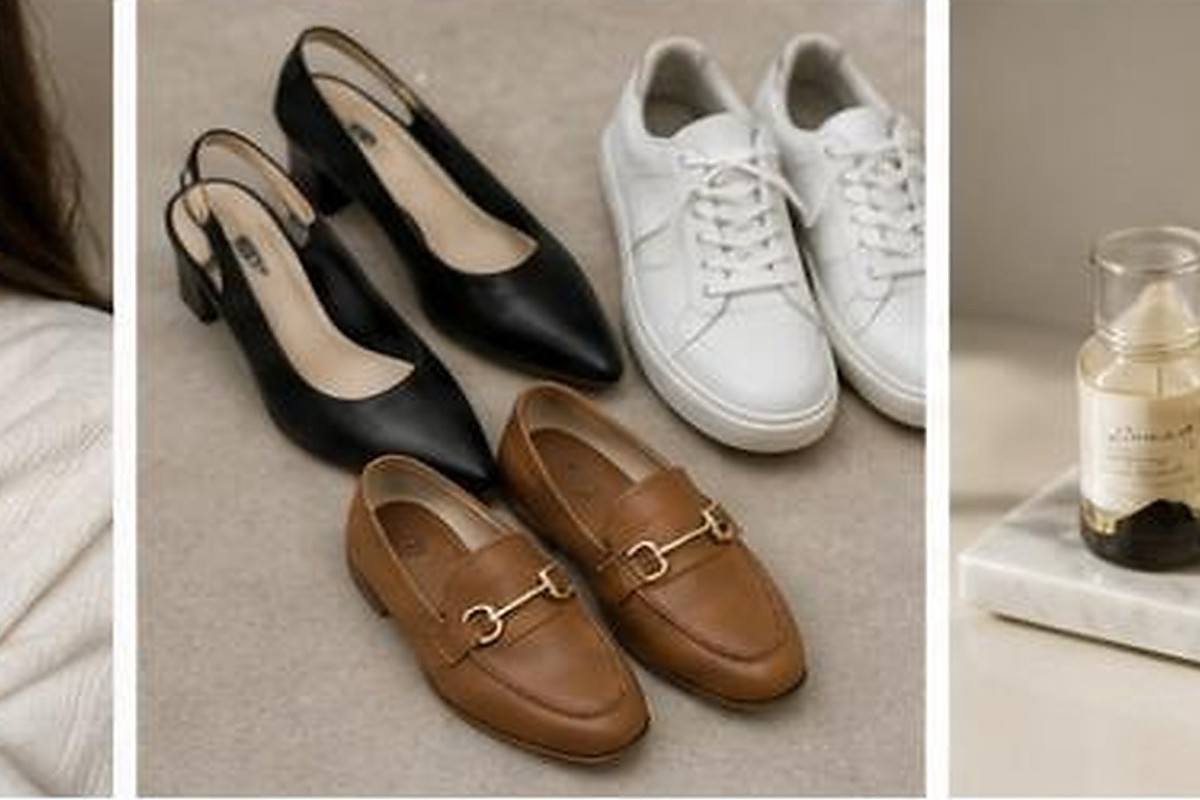
Use Color and Texture With Intention
One common mistake is confusing variety with usefulness. A closet can contain many items and still feel difficult if the pieces do not work together. Another mistake is choosing something only because it is popular online. Trends can be useful inspiration, but the best choice is the one that fits personal routine, body comfort, and the type of image someone wants to present.
To apply the idea, start with one outfit that already works and make one small improvement. Change the shoe, adjust the layer, simplify the colors, or add one practical detail. Then notice what changes. This slow method creates better style awareness than replacing everything at once. Over time, small edits can make the whole wardrobe feel more organized.
Build Around Pieces You Can Repeat
The final result should feel natural rather than forced. Good style is often quiet: pieces fit, colors make sense, and nothing looks accidental. Whether the focus is details, comfort, or a more polished appearance, the same rule applies. Choose items that support the way the day actually works and make the person wearing them feel prepared.
A Beginner's Guide to Building a Minimal Jewelry Collection is not about chasing every new trend or copying a complete look from someone else. It is about understanding how accessory choices work inside a real routine. A useful fashion decision should make getting dressed easier, not more stressful. When a piece can support several outfits, fit different plans, and still feel comfortable, it becomes more valuable than something that only looks good in one photo.
Common Mistakes to Avoid
The first point to consider is how often the idea will actually be used. Many people buy fashion items because they look interesting in the moment, but the most reliable choices are usually the ones that match normal days. Think about work, errands, casual meetings, travel, weather, and the amount of time available to get ready. This practical view keeps style connected to life instead of turning it into a separate task.
Comfort also matters because confidence is easier when the body is not fighting the outfit. A polished look can still feel relaxed if the proportions are right and the materials make sense. Pay attention to movement, weight, breathability, and how each piece feels after more than a few minutes. Style should not disappear as soon as the day becomes busy.
A Simple Way to Apply the Idea
Balance is another important part of the process. If one part of the look is bold, the rest can stay calmer. If the outfit is very simple, one thoughtful detail can create focus. This is where bags, belts, jewelry, scarves, watches, sunglasses can help shape the final impression. The goal is not to add more items, but to make every visible choice feel connected.
Color and texture can make a basic outfit feel more complete. Neutral tones are easy to repeat, while small touches of contrast can make a look feel current without becoming loud. Smooth fabrics, structured pieces, soft layers, and matte finishes all communicate something different. Learning to notice those differences makes everyday dressing more intentional.
Final Thoughts
A Beginner's Guide to Building a Minimal Jewelry Collection becomes easier when style is treated as a set of practical decisions instead of a search for perfection. The most useful fashion choices are the ones that can be repeated, adjusted, and trusted across normal days. By focusing on comfort, proportion, color, texture, and real use, it is possible to create outfits that feel polished without becoming complicated.


 How Small Accessories Can Change the Way an Outfit Looks
 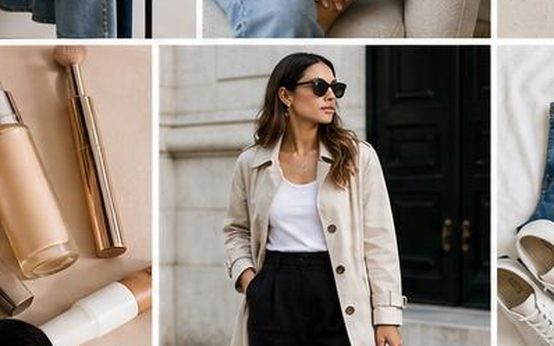 Timeless Accessories Every Wardrobe Should Have
 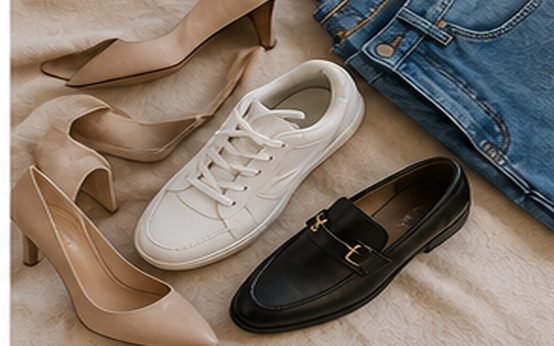 How to Style Belts, Bags, and Sunglasses Without Overdoing It